

Professional Advisors to partner help their clients make their charitable giving easy and rewarding, while supporting their financial planning goals. We work with solicitors, accountants, financial advisors and wealth managers to provide flexible options to suit your clients’ wishes.
Whether it is related to the sale of a business, for tax purposes or estate planning, we are here to help and always welcome a conversation to talk through ideas or scenarios. Enhance your advisory services by adding philanthropic expertise and guiding your clients toward impactful, local giving.
66% of High-Net-Worth Clients Want More Philanthropy Guidance. While only 1 in 5 advisory firms currently provides philanthropy advice, demand is on the rise. Clients today want to make a difference with their wealth but need structured support to navigate their options.
Our Solution: With over 22 years in grant-making and a deep understanding of the local charitable sector, we partner with advisers like you to bridge this gap. Our expertise allows you to offer your clients straightforward, impactful pathways to charitable giving.
Through our specialised services, we provide:
Our simple comparison helps clients decide whether to set up their own charity or establish a Named Fund. Download our Named Fund vs. Own Charity Factsheet for a detailed breakdown of the pros and cons of each approach.

Colleagues at Lincolnshire Community Foundation never fail to astound me with their speed, efficiency, and the quality of their work. I’m incredibly grateful that the three Councils benefit from such diligent and professional support from the team at LCF.
Saul Farrell, Senior Programme Manager
South and East Lincolnshire Council’s Partnership
By making a Gift Aid donation, charities can receive extra funds without any additional cost to you as a UK taxpayer. The donation is treated as if basic rate income tax had already been deducted, allowing the charity to reclaim that tax from HM Revenue & Customs (HMRC). For example, a donation of £10,000 with Gift Aid allows the charity to claim an additional £2,500, meaning the charity receives £12,500 in total.
Higher rate taxpayers can claim back the difference between the higher rates of tax (40% or 45%) and the basic rate (20%) on the total donation value. For example, a 40% taxpayer donating £10,000 can reclaim £2,500, meaning the net cost to the donor is £7,500, while the charity still receives £12,500.
If you complete a Self-Assessment tax return and are due a repayment from HM Revenue & Customs (HMRC), you can choose to donate some or all of that refund directly to charity through the SA Donate scheme. This allows taxpayers to support charitable causes as part of the tax return process. The donation is made from the repayment owed to you, making it a simple and tax-efficient way to give while completing your annual tax return.
Contributions to charity through Payroll Giving can be made in any amount and are taken directly from your salary before tax is deducted. Because donations are made from your gross pay, the amount of tax you pay is reduced. This provides a simple and tax-efficient way to give regularly through your employment.
Leaving a gift to charity in your will can reduce the Inheritance Tax due on your estate. You can choose to leave a fixed amount, a specific item such as shares or property, or a portion of your estate to support causes that matter to you.
Tax relief is available when donating certain shares, securities, or investments to charity. When qualifying investments are given to a UK charity, donors may receive income tax relief on the value of the donation, and capital gains tax may also be avoided, making this a highly tax-efficient way to give.
Donations made by a limited company to charity can be deducted from the company’s total profits before Corporation Tax is calculated. This means businesses can support charitable causes while benefiting from tax relief. However, corporate donations are not eligible for Gift Aid.
Companies may also receive Corporation Tax relief when donating land, buildings, or qualifying shares to charity, or when selling them to a charity for less than their market value. This can provide a tax-efficient way for businesses to support charitable causes while making use of company assets.
Start building your clients’ legacy today.
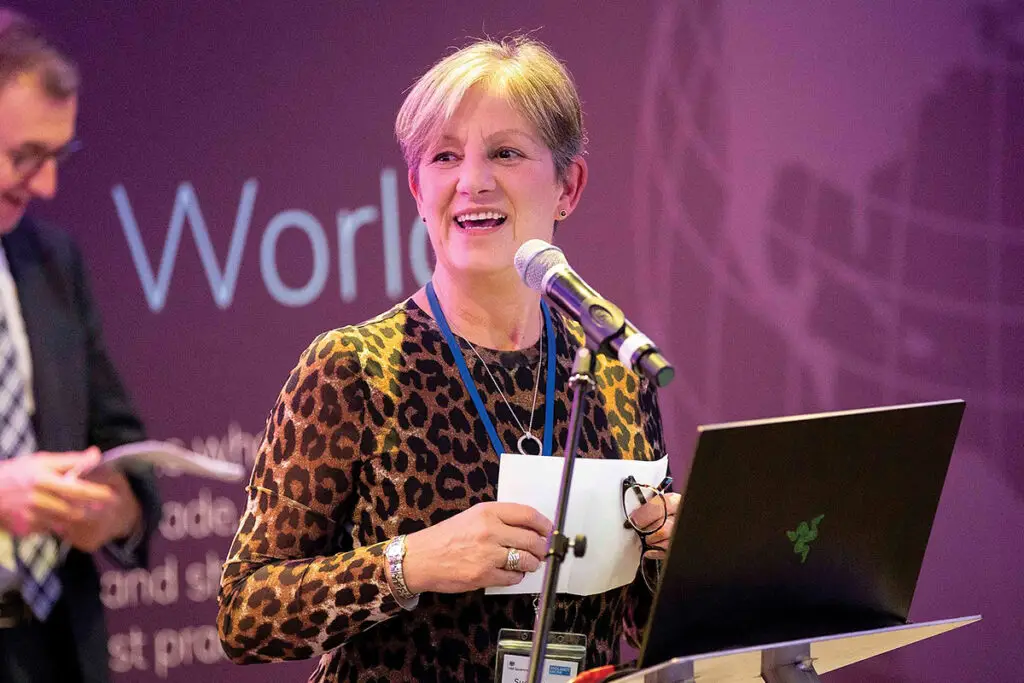
Whether you are considering a family legacy, a personal contribution, or a fund in memory of a loved one, we are here to support you in making philanthropy a meaningful part of their financial journey. To discuss your plans or explore how we can help shape a lasting legacy, please contact our Chief Executive, Sue Fortune, using the details below.
Every project tells a story of people, partnerships and communities coming together to create positive change. These examples highlight how funding, local knowledge and collaboration are helping organisations across Greater Lincolnshire respond to need, build resilience and make a lasting difference.
Trustee
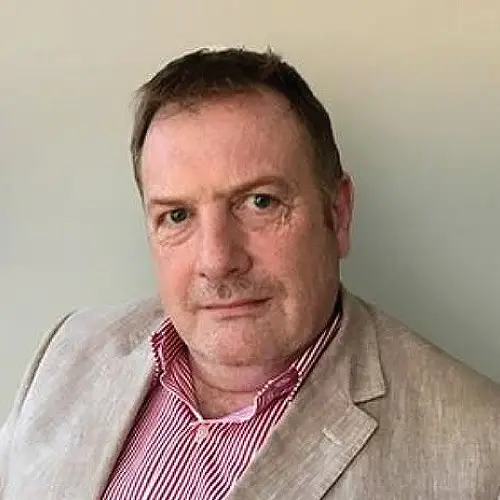
Andrew has built his career across a wide range of business sectors, working his way up to board level and gaining experience in all the key areas of running and growing organisations. Alongside this commercial background, he has a long-standing commitment to the charity and community sector, where he has helped secure funding for projects ranging from youth initiatives to major heritage and regeneration schemes. He is particularly focused on encouraging philanthropy in Lincolnshire, connecting local donors and advisors with community needs, and ensuring that resources are directed where they can make the biggest difference across the county.
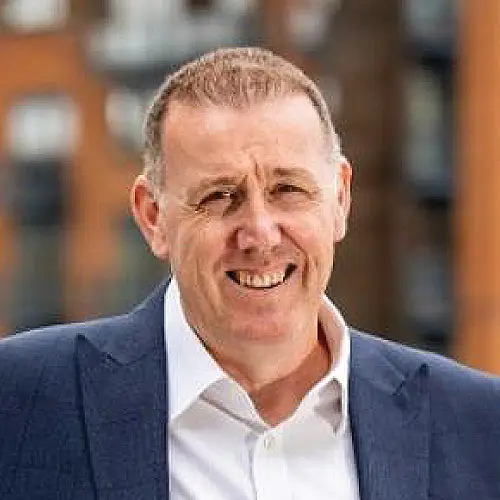
Trustee
Craig brings over 30 years of expertise in innovation, media, and marketing to Lincolnshire Community Foundation, with a passion for transforming lives through innovation. With a background in electronics, he applied his technology and transformation expertise at Reach PLC, parent of the Mirror Newspaper, as Head of Innovation, driving digital advancements.
After three years in Asia supporting tech startups, he returned to the UK to launch 4th Revolution, a marketing and innovation consultancy. His philanthropy includes leading a £10 million West Midlands RGF project, helping fund early-stage businesses and startups, and co-founding LoveBrum, a Birmingham-based charity distributing grants to community projects to enhance Birmingham. Based in Skegness, Craig is dedicated to improving lives in Lincolnshire through better access to training and funding.
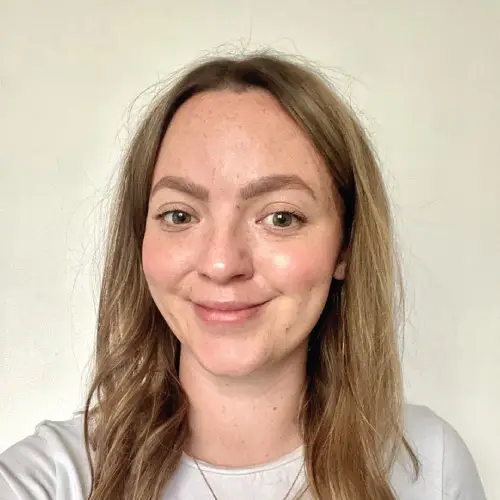
Trustee
Danielle’s main reason for wanting to be part of the Foundation was the amazing work it’s undertakes to make life better for local people and organisations. Danielle currently work’s for Lincolnshire Co-op as a Senior Community Co-ordinator and is very passionate about community development especially in Lincolnshire where she has spent most of her life. Danielle has extensive experience of project/event management and networking in communities which she hopes she will be able to use her skills to contribute to the Foundation as Trustee.
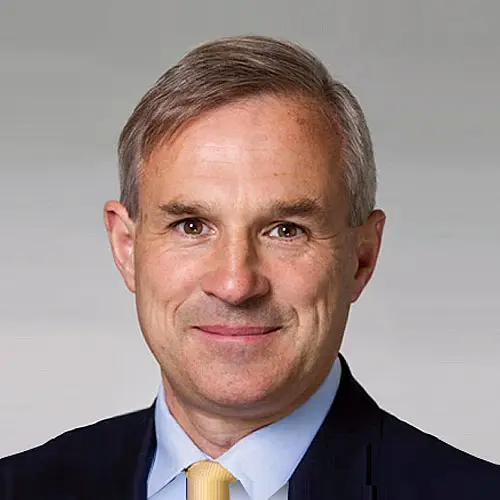
Trustee
John was born in Lincolnshire and after a short stint in the Army, he spent his career in Financial Services both in London and abroad. After over 30 years in Banking, John ended his Executive career as CEO of Kleinwort Hambros Bank and has now returned full time to Lincolnshire. John joined the Foundation at the end of 2020 and is looking forward to helping the them move forward in the future.
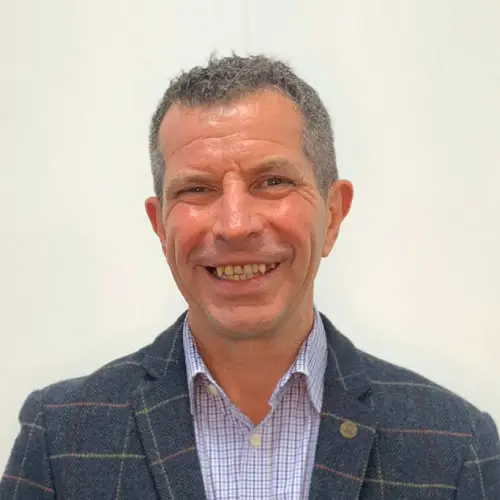
Trustee
Former Chair, Stephen, with a background in education and journalism, assumed the role of Managing Director of CPO in April 2006. His daily tasks involve overseeing the organisation and driving business development. Stephen’s commitment to using education to alleviate disadvantage and poverty in local communities is evident in all endeavors undertaken by him and his team at CPO. In addition to his primary role, Stephen serves as the Community Engagement Manager for Rethink Mental Illness and chairs the Mental Health Alliance.
He leads the Preventative & Early Help Strategic Board for Children’s Services, participates in the Youth Partnership Board, serves as Vice Chair of the Youth Engagement Alliance and the Youth Justice Steering Group. Furthermore, he holds the position of Vice Chair for the NEL VCSE Alliance and the NEL VCSE Forum, along with being a Governor at John Whitgift Academy.
Trustee
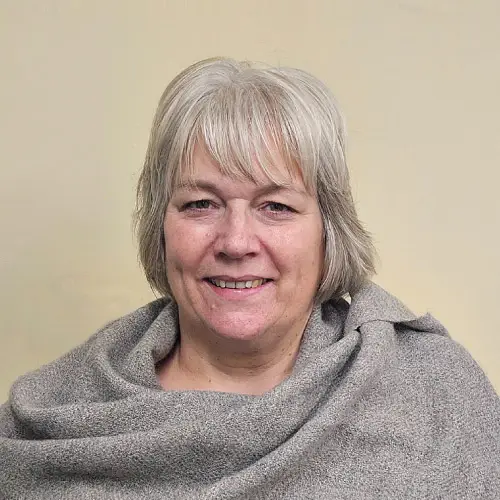
Before signing up as a trustee, Paula was the governors who steered our original “community bank”, the cornerstone of our early endowment building. Paula worked in banking for nearly 30 years, specialising in governance and risk management. With the Foundation she leads on the development of our Domestic Abuse response: developing, commissioning and co funding service provision.
Vice Chair
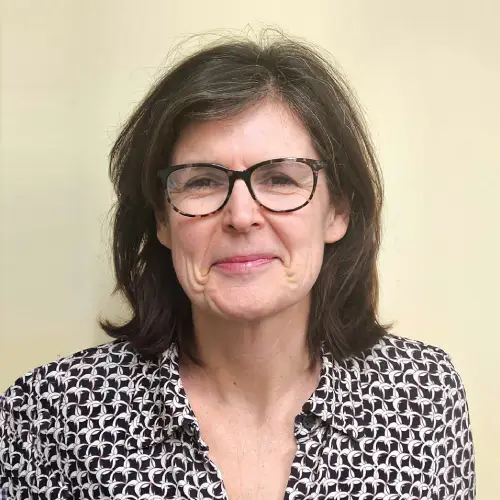
For many years Lizzie was attached to the Princes Trust – 10 of which as Lincolnshire chair. She now does a similar (voluntary) job for the Foundation, overseeing our Make-a-Start programme (small grants for personal development). She has expended huge amounts of energy on fund raising – not least “One Day More”: 3 days of outdoor opera at Doddington Hall.
Chair
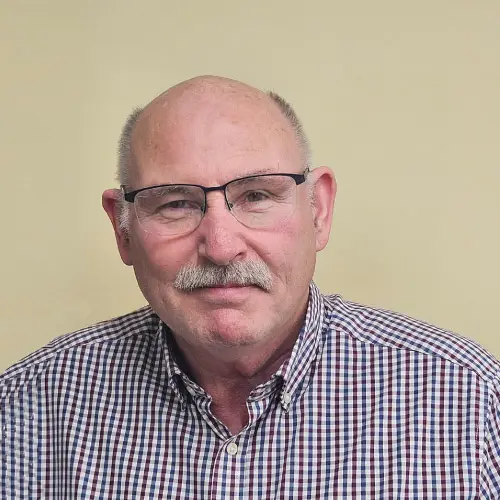
Paul, with a background in business management, previously served as a director at the Grimsby Enterprise Agency and the National Federation of Enterprise Agencies. He actively manages his own business and is deeply engaged in community development along the east coast of Lincolnshire. Paul has long been a trustee of the Community Foundation and resumed his role as chairman, currently participating in the finance sub-group committee. His areas of focus include health and social inequalities, enterprise development, and cultural heritage.
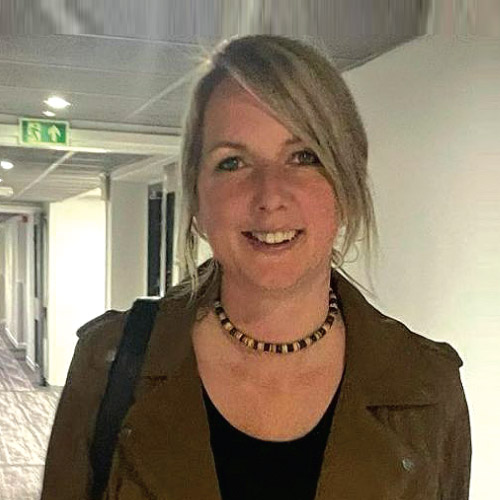
Cara supports the organisation’s financial operations to help ensure that funding reaches the people and projects that need it most. She holds an AAT Advanced Diploma in Accounting Level 3 qualification in Bookkeeping (achieved in 2021), and brings a strong focus on accuracy, organisation, and accountability to the organisation. Before moving into finance, Cara gained valuable experience working directly with members of the public and supporting young adults with learning difficulties.
These roles developed her communication skills, patience, and a deep appreciation for the positive impact that inclusive, community-focused work can have. She is passionate about combining her financial skills with purpose-driven work that makes a real difference. Cara currently works on the delivery of the Household Support Fund, The Big Lincolnshire Welcome Fund and manages the Thonock Aspiration Fund for Schools (TAFS).
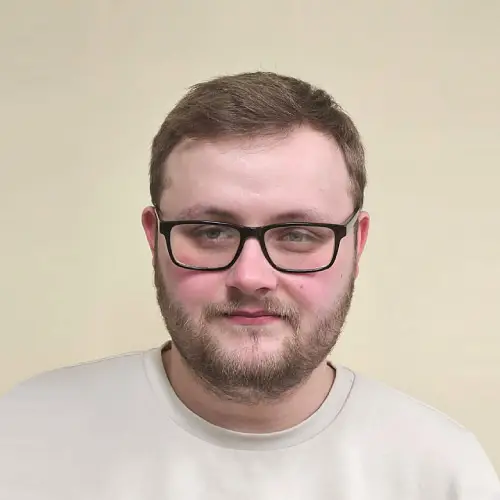
Aaron formally joined the Foundation’s team in November 2023, having already worked closely with the organisation through the creation and development of the Lincolnshire Visual Intelligence System (LVIS).
Since joining the team, Aaron has continued to develop and update LVIS, which remains a freely accessible tool designed to identify potential pockets of deprivation across Greater Lincolnshire, down to street level and by theme.
Alongside his work on LVIS, Aaron has further developed his role as a Grantmaker, leading on the delivery of a number of individual-based grant schemes. These include the Make-A-StarT (MAST) Fund, the Household Support Fund, and most recently, the Crisis and Resilience Fund: Heating Oil Support Schemes.
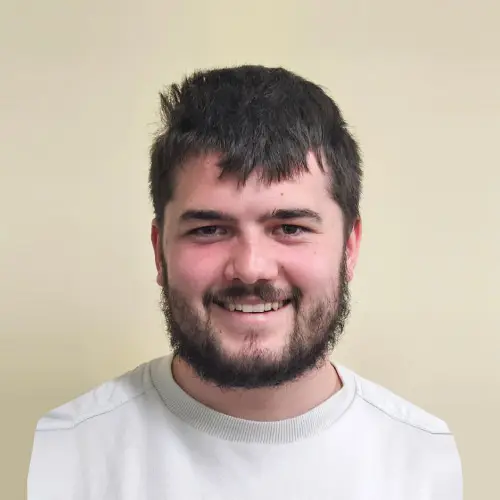
Following his time at Cardiff University learning about people and places across the world as part of his Human Geography degree, Cavan came back to Lincolnshire and joined the Foundation on a part-time basis in July 2022 to support community organisations and individuals within Greater Lincolnshire. Helping colleagues in an administrative capacity to distribute grant funding at first, he has since grown to become a full-time member of Lincolnshire Community Foundation’s Grants Team and is a familiar face to applicants throughout the application process across a number of schemes he has worked on including the UKSPF GRASSroots Grant Scheme, Household Support Fund and both the Birchwood and CCC Big Local. He also leads on various programmes including the Michael Cornish Core Grants Programme and the ELIF GRASSroots Grant Scheme.
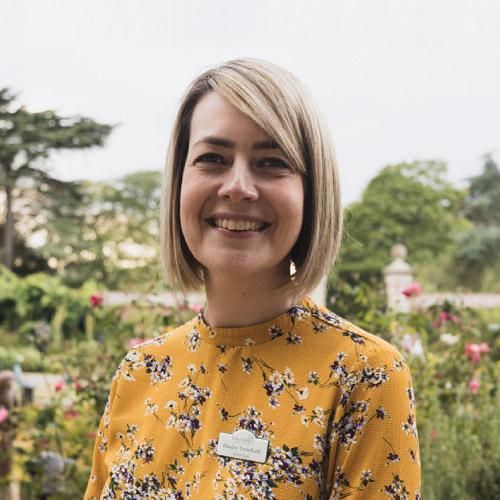
Hayley joined the Foundation in April 2022, initially serving in an administrative capacity and as a Finance Officer, before transitioning to her current role as a Grantmaker. She has worked on a number of funds within the Foundation including Rural England Prosperity Fund, North Kesteven Lottery Grant Scheme and Evan Cornish Grassroots Fund, empowering community groups across Greater Lincolnshire to access vital funding for transformative local initiatives. With a background in the legal and private healthcare sectors, Hayley brings a unique perspective and a commitment to fostering vibrant, inclusive communities.
Having returned to the U.K. from South Africa in 2021, she is passionate about reconnecting with her roots and advancing the Foundations mission to help Lincolnshire thrive.
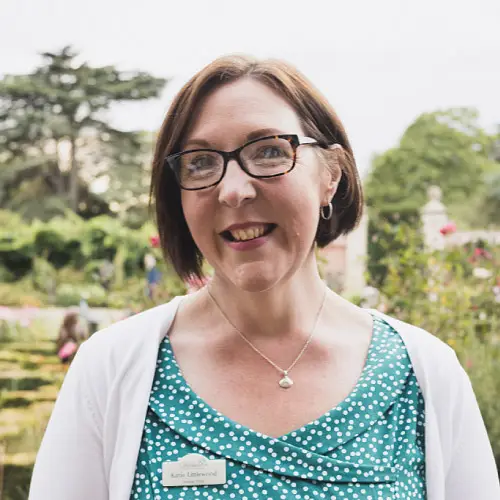
Prior to joining the Foundation in 2020, for 20yrs. Katie worked in Early Years Education supporting children and families locally. Katie has in the past played an active role in the community giving her time to run a local Brownie pack and sit on other committees such as The village Feast & the local village hall. Katie now has a young family and spends her much of her free time in the great outdoors and occasionally helping at her children’s Beaver & Scout groups. At the Foundation, Katie manages 7 Funds including the Horncastle Health & Wellbeing, and the 6 renewable Funds LCF manage stretching across Greater Lincolnshire.
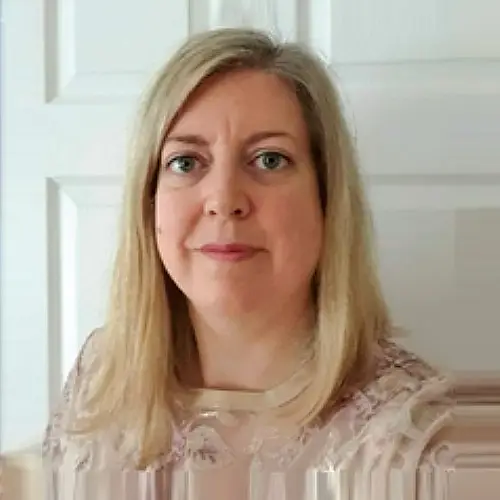
Helen has been with the Lincolnshire Community Foundation since January 2018. Before joining the foundation, Helen’s background has been in project and grant scheme management and uses this experience to help administer the Community Foundation’s grant programmes which enables the Foundation to make a bigger impact in the community.
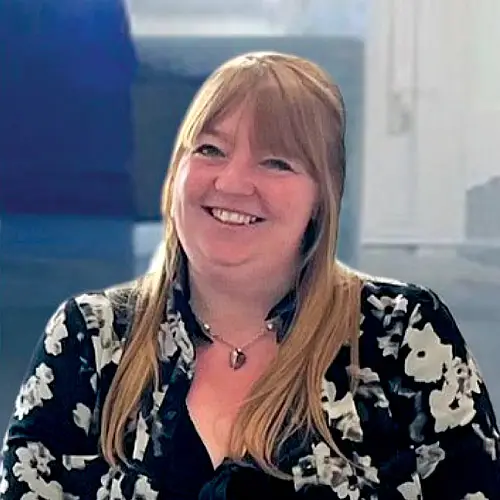
Marketing, Communications & Grantmaker
Office: 01529 305825
Mobile: 07534 693652
Claire joined the Foundation in 2021. Growing up in North East Lincolnshire, she travelled across the country as an RAF spouse, before coming back home to Lincolnshire.
Her deep connection to the people and locations in the county drives her passion. With a background in various sectors including voluntary, legal, and business, she takes pleasure in supporting all community members.
Claire actively volunteers, serving as a community responder and as Chair of a local primary school PTA.
Claire currently works on the SWEF and Crisis and Resilience Fund: Oil Support.
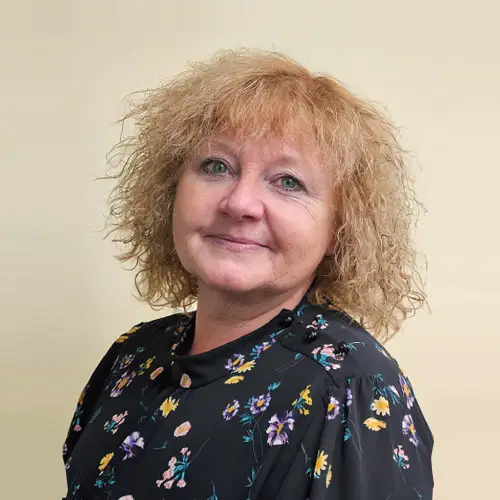
Helen started working in the VCSE sector in 1994 on an employment and skills project for (ex)offenders, which linked to her Masters in Criminology background. She then moved into community development work, still on the community safety theme, developing that project into wider social regeneration. She has been the CEO of three different charities, two of which are defined as VCSE Local Infrastructure and the third was a Rural Community Council.
After taking a short break from the sector, she became a qualified secondary school teacher and is currently using these skills in the employer supported volunteering work she currently undertakes in schools on careers. The GLAP (Gainsborough Local Access Programme) she manages is a national pilot, funded by Access and Big Society Capital to ‘test’ how place based enterprise development alongside local access to social investment can positively impact a defined area.
Sue has been with the Foundation since its inception in 2002, following a successful legal career in Durham, London and within a Local Authority. Before being appointed CEO in 2019, she spent 16 years at LCF as a Grantmaker delivering millions of pounds in grant aid to community organisations and individuals across Lincolnshire, always championing the smaller, locally led groups and organisations. Throughout this time, she managed a huge range of schemes, from micro grants to million pound place based (community led) programmes.
er work helped build long-lasting relationships and embed the Foundation’s reputation as a trusted, approachable funder and partner. Before moving to Lincolnshire, she raised funds to support a local dog rescue charity and went on to adopt three herself. After settling in a small Lincolnshire village, she continued her fundraising efforts bringing local groups together as part of an annual fundraiser, fuelling her ambition to support communities and help others in the longer term. More recently, has discovered a penchant for travel and will regale and entertain others with her stories and adventures.

Helen started working in the VCSE sector in 1994 on an employment and skills project for (ex)offenders, which linked to her Masters in Criminology background. She then moved into community development work, still on the community safety theme, developing that project into wider social regeneration. She has been the CEO of three different charities, two of which are defined as VCSE Local Infrastructure and the third was a Rural Community Council. After taking a short break from the sector, she became a qualified secondary school teacher and is currently using these skills in the employer supported volunteering work she currently undertakes in schools on careers. The GLAP (Gainsborough Local Access Programme) she manages is a national pilot, funded by Access and Big Society Capital to ‘test’ how place based enterprise development alongside local access to social investment can positively impact a defined area.